Core System
Bitcoin Miners
Bitcoin miners secure the network by performing proof-of-work. They repeatedly hash candidate blocks until one produces a result that meets the current difficulty target. The first miner to find a valid block broadcasts it to the network. Other nodes verify the block. If it is valid, they accept it and begin working on the next one. This process is what orders transactions and makes rewriting history expensive.
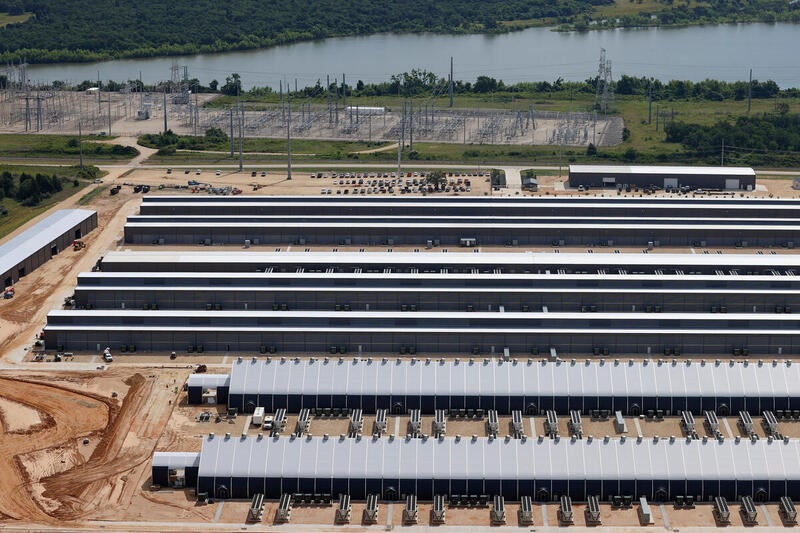
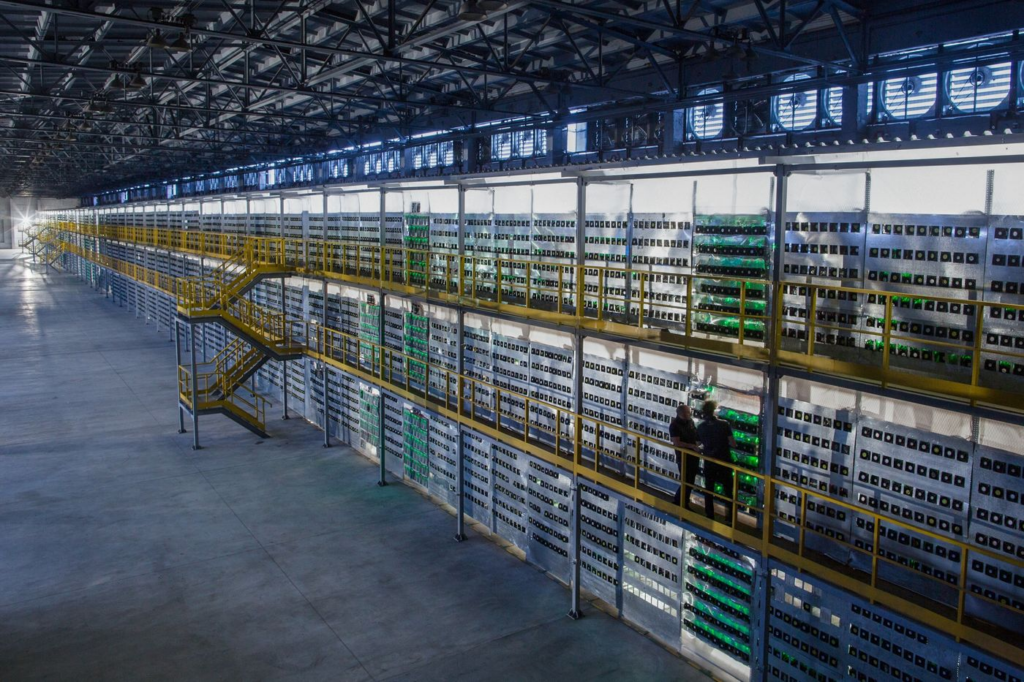
In the earliest days of the network, mining could be performed on ordinary home computers using their central processing units (CPUs). As more participants joined, the competition increased and people began using graphics cards (GPUs), which offered higher hash rates for the same power. Within a few years, specialized application-specific integrated circuits (ASICs) were designed solely for Bitcoin mining. These chips are orders of magnitude more efficient than general-purpose hardware and have become the standard. Today, profitable mining at any meaningful scale requires ASICs. Most individual participants do not mine. Mining is an optional activity; running a full node is sufficient to use and verify the network.
Miners are paid in two ways: the block subsidy (newly created bitcoin) and transaction fees. The subsidy decreases over time through the halving schedule. Mining is competitive. Success depends on the amount of computational work performed relative to the rest of the network. Over time, the industry has professionalized. Dozens of companies now operate purpose-built data centers dedicated to Bitcoin mining, often located where electricity is abundant and relatively inexpensive. Several of these companies are publicly traded on major stock exchanges, giving investors direct exposure to the mining sector through traditional equity markets. These operators manage large fleets of ASICs, negotiate power contracts, and run continuous industrial-scale operations.
Electricity is the primary operating cost for miners. Because the reward is fixed by the protocol, operators have a strong economic incentive to secure the lowest-cost power available. This has driven many large-scale miners toward locations with abundant renewable or stranded energy. Common sources include solar (photovoltaic panels that convert sunlight into electricity), wind (turbines that generate power from wind currents), hydroelectricity (generated from the force of moving water), and, in some regions, geothermal or biomass. Thermal generation from fossil fuels remains in use where it is inexpensive, though many operators are shifting toward lower-carbon options as renewable capacity expands and costs decline. The result is that Bitcoin mining has become one of the more flexible industrial loads for energy systems, often co-located with generation that would otherwise be curtailed or stranded.
Miners do not control the rules. Nodes enforce the consensus rules independently. A miner that produces a block violating those rules will have its block rejected by honest nodes. The economic incentive is to follow the rules and produce valid blocks, because invalid blocks earn no reward. This separation between proposing blocks and enforcing rules is a core feature of the system’s design.
Up Next: Bitcoin Core
Bitcoin Core →Go back to Education Portal:
← Learn About Bitcoin℠Share the link with colleagues, family, and friends.
Fresh start? Official Bitcoin Network homepage.
By accessing this website you agree to the User Agreement, Privacy Policy, and Legal Notice.